Complaints Procedure for Commercial Waste Blackfriars Services
 This Complaints Procedure outlines how concerns relating to Commercial Waste Blackfriars activities are recorded, investigated and resolved. It applies to all commercial waste services in the area including routine collections, site servicing, and specialist commercial refuse handling. The aim is to provide a clear, fair and timely route for raising complaints and to ensure continuous improvement of our commercial waste operations.
The policy covers complaints about missed collections, container damage, incorrect billing references, health and safety incidents, environmental concerns and other service delivery matters. Our approach balances the needs of businesses using commercial bin collection Blackfriars services with regulatory responsibilities and contractual commitments. We treat every complaint seriously and seek to respond professionally and objectively.
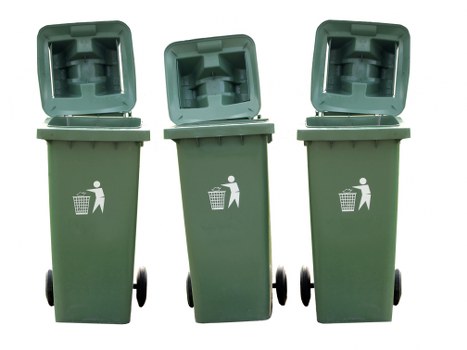 To begin, complaints should be reported using the established company channels; this procedure explains the process that follows. On receipt, each complaint is logged and assigned a unique reference for tracking. Records include the date, time, service type (for example, hazardous waste, general commercial rubbish collection, or recycling services), the location where service was provided and the nature of the issue.
How Complaints Are Handled
Once a complaint is logged, it undergoes an initial assessment to determine priority and potential risks. Priority is based on factors such as public safety, environmental impact, and the customer's operational needs. For lower-risk service issues, the matter is usually resolved operationally; for higher-risk or complex complaints, a formal investigation is opened, possibly involving a site visit or review of service logs.
 Investigations follow a standard model: gather evidence, interview staff or witnesses, review vehicle and collection records, and evaluate compliance with service agreements. Investigators may recommend remedial actions, such as repeat collection, repair or replacement of containers, staff retraining, process changes or, where appropriate, compensation under contractual terms. All findings and corrective steps are documented.
Timescales and Acknowledgement
Complaints receive an acknowledgement promptly and a target timeframe for a substantive response. For most service-related complaints the target is to provide a full response within 10 working days. Complex investigations or those requiring third-party input may take longer; in such cases we communicate expected timelines and interim updates. If additional time is required, the complainant is informed with reasons and an estimated completion date.Resolution, Escalation and Outcome
Resolution is pursued with an emphasis on practicality and preventing recurrence. Typical outcomes include:
- Corrective action such as repeat collection or site remediation
- Repair or replacement of damaged commercial waste containers
- Operational changes to collection schedules or routing
- Staff coaching or process retraining to address service deficiencies
If the complainant remains dissatisfied with the initial response, the complaint may be escalated within the organisation for review by senior operations or compliance personnel. Escalation triggers a secondary review and, where relevant, a formal written outcome explaining findings and final decisions. This stage is designed to be robust and impartial.
 Confidentiality is maintained throughout; records are retained in line with data handling policies and only shared with authorised staff involved in resolution. The procedure also includes steps to identify systemic issues and to recommend service improvements across commercial waste services Blackfriars-wide operations.
Recording, Monitoring and Continuous Improvement
All complaints and their outcomes are recorded in a central register to enable trend analysis. Regular performance reviews examine complaint volumes, types and resolution times to identify recurring problems in commercial refuse collection and to drive service enhancements. Lessons learned feed into training, operational adjustments and contractor performance reviews.
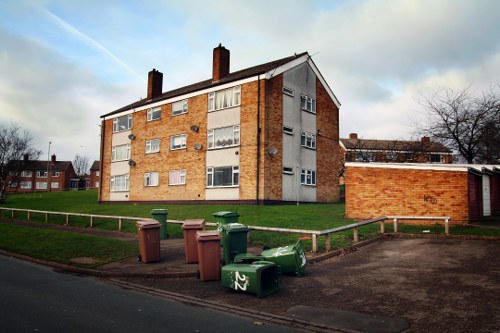 We maintain quality assurance by monitoring key performance indicators such as response time, resolution rate and recurrence of similar complaints. Where patterns indicate systemic issues, corrective action plans are created and tracked to completion. This ensures that commercial waste management Blackfriars operations evolve and improve.
Appeals and Final Review: If a complainant believes the final escalation outcome is unsatisfactory, they can request a final internal review by the highest available operational authority. Final review decisions are documented and represent the end of the internal complaints process. The organisation also commits to sharing anonymised complaint trends with governance bodies to support transparency and compliance with waste management obligations.
Core Principles:
- Impartiality: Investigations are objective and evidence-based.
- Timeliness: Clear targets for acknowledgement and response.
- Clarity: Complainants are kept informed of progress and outcomes.
- Continuous improvement: Findings drive service-level enhancements.
Following this procedure helps maintain high standards for commercial bin collection Blackfriars and ensures that issues are addressed constructively. Complaints are a valuable source of insight and, when handled well, contribute to safer, more reliable and more efficient waste services.
We encourage users of commercial waste services to raise concerns so they can be resolved under this procedure. Each complaint is an opportunity to uphold service quality and safeguard the local environment while meeting business needs effectively.
