Comprehensive Guide to Business Waste Removal in Blackfriars
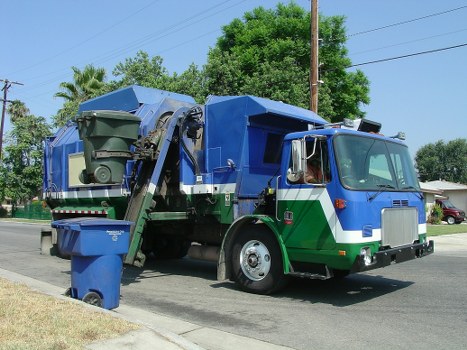
A large waste collection vehicle, painted predominantly in blue with green and white accents, parked on a paved street. The truck has a compact cab with a silver front grille and clear windows, with a large, enclosed rear compactor unit for rubbish collection. Attached to the rear of the vehicle is an arm mechanism used for lifting and emptying large blue and green bins, which are situated on the pavement nearby. The bins appear to be made of plastic, with one positioned closer to the vehicle and the other partially visible, both with lids closed. The environment includes greenery such as trees and shrubs in the background, along with utility poles and wires overhead, indicating a suburban or urban commercial area. The weather is clear, with bright sunlight illuminating the scene, emphasizing the clean and well-maintained appearance of the vehicle and surroundings. This image relates to rubbish removal services provided by Commercial Waste Blackfriars, highlighting their infrastructure for efficient waste collection within the Blackfriars postcode area, UK.

In the bustling area of Blackfriars, managing business waste effectively is crucial for maintaining a clean and productive environment. Whether you run a small office or a large commercial facility, proper waste removal services can help streamline your operations and ensure compliance with local regulations.

Business waste removal involves the collection, transportation, and disposal of various types of waste generated by businesses. This can include office paper, electronic waste, food waste, and even construction debris. Effective waste management not only contributes to a cleaner workspace but also promotes sustainability by reducing the environmental impact.

Choosing the right waste removal service in Blackfriars can make a significant difference in how smoothly your business operates. It's essential to consider factors such as reliability, cost-effectiveness, and the range of services offered.

Why Business Waste Removal is Essential

A young woman with long brown hair and a bright smile, wearing a sleeveless green top, stands indoors next to a large blue recycling bin. She is holding a clear plastic water bottle in her right hand, which she appears to be about to place into the bin. The bin is labelled 'RECYCLING' in white letters and is filled with various recyclable plastic bottles and containers. The background features a plain, light-colored wall, suggesting a clean and organized environment related to waste management. This image contextualizes sustainable waste disposal practices, relevant to rubbish removal services in London, such as those offered by Commercial Waste Blackfriars, supporting efficient waste management solutions for local businesses.

Proper business waste removal is essential for several reasons. Firstly, it helps maintain a hygienic and safe work environment. Accumulated waste can attract pests and create unpleasant odors, which can negatively affect employee morale and productivity.

Secondly, effective waste management is often a legal requirement. Local regulations in Blackfriars mandate that businesses handle their waste responsibly to prevent environmental contamination.

Additionally, sustainable waste practices can enhance your company's reputation. Demonstrating a commitment to environmental responsibility can attract environmentally conscious customers and partners.

Types of Business Waste
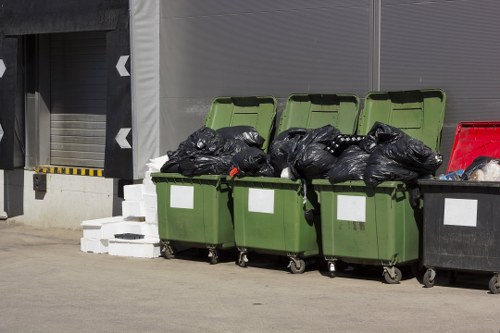
A row of four large, plastic wheelie bins in front of a commercial building on a paved surface, with three of the bins in shades of green and one in black. The green bins have their lids open, revealing black rubbish bags inside, which appear full and tightly gathered. The black bin is closed, with some outside waste visible on top. To the left, there are several white bricks stacked near the building's wall, and behind the bins, a grey metal roll-up door is partially visible. The background shows a grey, industrial-style architecture typical of commercial waste disposal areas, with subtle yellow and black safety markings on the building's edge. The scene captures a typical rubbish collection point, often managed by waste removal companies like Commercial Waste Blackfriars, serving businesses in the local area, possibly within the Blackfriars district or nearby London postcode region.

Common Categories of Business Waste

Understanding the different types of business waste is the first step in effective waste management. Common categories include:

  • General Waste: Non-recyclable and non-hazardous waste such as food scraps and paper products.
  • Recyclable Waste: Materials like paper, cardboard, glass, and certain plastics that can be processed for reuse.
  • Electronic Waste: Discarded electronic devices like computers, printers, and phones.
  • Hazardous Waste: Dangerous materials such as chemicals, batteries, and paints that require special handling.

Proper categorization ensures that each type of waste is handled appropriately, minimizing environmental impact and ensuring compliance with laws.

Choosing the Right Waste Removal Service
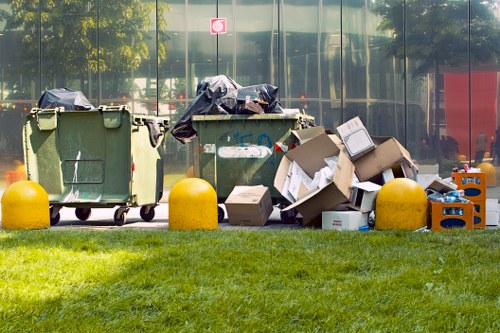
A row of three large commercial waste bins situated outdoors on a paved area near a modern glass building in Blackfriars, London. The left bin is green with a closed lid, while the middle and right bins are open, filled with mixed rubbish including black plastic bags, flattened cardboard boxes, and various discarded packaging materials. The debris spills slightly onto the surrounding pavement, with some items leaning against the yellow plastic bollards placed in front of each bin. The background includes reflective glass windows of the building, with the reflection of trees and the street visible, suggesting an urban environment. The grass in the foreground is well-maintained, contrasting with the cluttered waste area, which appears ready for collection or disposal by commercial waste management services, such as those provided by Commercial Waste Blackfriars.

Selecting a reliable waste removal service in Blackfriars involves considering several key factors:

  1. Reputation: Look for companies with positive reviews and a track record of dependable service.
  2. Range of Services: Ensure the provider offers the specific waste management solutions your business requires.
  3. Cost: Compare pricing structures to find a service that fits your budget without compromising quality.
  4. Compliance: Verify that the service adheres to local regulations and environmental standards.
  5. Flexibility: Choose a provider that can accommodate your business's schedule and specific needs.

By evaluating these factors, you can secure a waste removal partner that supports your business goals and maintains a clean working environment.

Benefits of Professional Waste Removal

A woman with long brown hair, wearing a purple t-shirt with yellow trim on the sleeves, is shown standing outdoors in a residential or commercial area near a street in Blackfriars. She is holding a clear plastic rubbish bag in her right hand and is in the process of placing or lifting it into the open lid of a grey wheelie bin, which is positioned on a paved or concrete surface. The bin has a hinged lid that is partly open, revealing its dark interior, and is situated in front of a low wall with greenery behind it. In the background, there are trees, shrubs, and a modern building with large windows and white external finishes, typical of urban or city centre environments in London. The scene is lit with natural daylight, highlighting the texture of the plastic bag, the metallic surface of the bin, and the surrounding greenery, emphasizing the routine of rubbish disposal and waste management services provided by Commercial Waste Blackfriars in the area.

Engaging a professional waste removal service offers numerous benefits:

  • Efficiency: Professionals have the expertise and equipment to manage waste quickly and effectively.
  • Cost Savings: Outsourcing waste removal can reduce costs associated with in-house disposal, such as labor and equipment expenses.
  • Environmental Impact: Professional services often prioritize recycling and sustainable practices, reducing your business's carbon footprint.
  • Regulatory Compliance: Experts ensure that your waste management practices comply with all relevant laws and guidelines.
  • Space Management: Proper waste removal prevents clutter and frees up valuable office or workspace.

These advantages make professional waste removal a smart investment for any business in Blackfriars.

Implementing an Effective Waste Management Plan

A large waste collection vehicle, painted predominantly in blue with green and white accents, parked on a paved street. The truck has a compact cab with a silver front grille and clear windows, with a large, enclosed rear compactor unit for rubbish collection. Attached to the rear of the vehicle is an arm mechanism used for lifting and emptying large blue and green bins, which are situated on the pavement nearby. The bins appear to be made of plastic, with one positioned closer to the vehicle and the other partially visible, both with lids closed. The environment includes greenery such as trees and shrubs in the background, along with utility poles and wires overhead, indicating a suburban or urban commercial area. The weather is clear, with bright sunlight illuminating the scene, emphasizing the clean and well-maintained appearance of the vehicle and surroundings. This image relates to rubbish removal services provided by Commercial Waste Blackfriars, highlighting their infrastructure for efficient waste collection within the Blackfriars postcode area, UK.

Creating a comprehensive waste management plan involves several steps:

  1. Assessment: Evaluate the types and volumes of waste your business generates.
  2. Segregation: Implement a system for separating different waste types to facilitate recycling and proper disposal.
  3. Collection: Schedule regular waste removal to prevent accumulation and maintain cleanliness.
  4. Recycling: Partner with services that prioritize recycling to minimize landfill contributions.
  5. Education: Train employees on waste management practices to ensure compliance and participation.

By following these steps, your business can manage waste efficiently and sustainably.

Technologies in Waste Management

A young woman with long brown hair and a bright smile, wearing a sleeveless green top, stands indoors next to a large blue recycling bin. She is holding a clear plastic water bottle in her right hand, which she appears to be about to place into the bin. The bin is labelled 'RECYCLING' in white letters and is filled with various recyclable plastic bottles and containers. The background features a plain, light-colored wall, suggesting a clean and organized environment related to waste management. This image contextualizes sustainable waste disposal practices, relevant to rubbish removal services in London, such as those offered by Commercial Waste Blackfriars, supporting efficient waste management solutions for local businesses.

Advancements in technology have enhanced waste management practices:

  • Automated Sorting: Machines can efficiently sort waste materials, improving recycling rates.
  • Tracking Systems: Digital tracking of waste streams ensures transparency and accountability.
  • Energy Recovery: Technologies that convert waste into energy provide sustainable disposal alternatives.
  • Data Analytics: Analyzing waste generation patterns helps businesses optimize their waste management strategies.

Incorporating these technologies can significantly improve the effectiveness of your waste removal processes.

Regulations and Compliance

A row of four large, plastic wheelie bins in front of a commercial building on a paved surface, with three of the bins in shades of green and one in black. The green bins have their lids open, revealing black rubbish bags inside, which appear full and tightly gathered. The black bin is closed, with some outside waste visible on top. To the left, there are several white bricks stacked near the building's wall, and behind the bins, a grey metal roll-up door is partially visible. The background shows a grey, industrial-style architecture typical of commercial waste disposal areas, with subtle yellow and black safety markings on the building's edge. The scene captures a typical rubbish collection point, often managed by waste removal companies like Commercial Waste Blackfriars, serving businesses in the local area, possibly within the Blackfriars district or nearby London postcode region.

Businesses in Blackfriars must adhere to local and national waste management regulations. Non-compliance can result in fines, legal issues, and damage to your company's reputation.

Key regulations to be aware of include:

  • Waste Disposal Laws: Guidelines on how different types of waste should be disposed of to protect the environment.
  • Recycling Requirements: Mandates on the minimum recycling rates and the types of materials that must be recycled.
  • Hazardous Waste Handling: Strict protocols for the storage, transportation, and disposal of hazardous materials.

Working with a waste removal service that understands and complies with these regulations is essential for maintaining legal and environmental standards.

Sustainability and Corporate Responsibility

A row of three large commercial waste bins situated outdoors on a paved area near a modern glass building in Blackfriars, London. The left bin is green with a closed lid, while the middle and right bins are open, filled with mixed rubbish including black plastic bags, flattened cardboard boxes, and various discarded packaging materials. The debris spills slightly onto the surrounding pavement, with some items leaning against the yellow plastic bollards placed in front of each bin. The background includes reflective glass windows of the building, with the reflection of trees and the street visible, suggesting an urban environment. The grass in the foreground is well-maintained, contrasting with the cluttered waste area, which appears ready for collection or disposal by commercial waste management services, such as those provided by Commercial Waste Blackfriars.

Integrating sustainable waste management practices reflects your company's commitment to corporate social responsibility. This can include:

  • Reducing Waste: Implementing strategies to minimize waste generation through efficient processes and resource management.
  • Recycling Programs: Establishing comprehensive recycling initiatives to divert waste from landfills.
  • Green Partnerships: Collaborating with environmentally responsible waste removal providers.
  • Employee Engagement: Encouraging staff to participate in sustainability efforts through training and incentives.

These practices not only benefit the environment but also enhance your brand image and customer loyalty.

Cost Considerations

A woman with long brown hair, wearing a purple t-shirt with yellow trim on the sleeves, is shown standing outdoors in a residential or commercial area near a street in Blackfriars. She is holding a clear plastic rubbish bag in her right hand and is in the process of placing or lifting it into the open lid of a grey wheelie bin, which is positioned on a paved or concrete surface. The bin has a hinged lid that is partly open, revealing its dark interior, and is situated in front of a low wall with greenery behind it. In the background, there are trees, shrubs, and a modern building with large windows and white external finishes, typical of urban or city centre environments in London. The scene is lit with natural daylight, highlighting the texture of the plastic bag, the metallic surface of the bin, and the surrounding greenery, emphasizing the routine of rubbish disposal and waste management services provided by Commercial Waste Blackfriars in the area.

Managing the costs associated with business waste removal is crucial for maintaining profitability. Factors influencing costs include:

  • Volume of Waste: Higher waste volumes typically lead to increased disposal fees.
  • Frequency of Collection: More frequent pick-ups can incur additional charges.
  • Type of Waste: Hazardous or specialized waste requires specific handling, which may be more expensive.
  • Service Provider: Different companies offer varying pricing structures based on the range and quality of services provided.

To optimize costs, businesses should conduct regular waste audits, negotiate contracts with service providers, and implement waste reduction strategies.

Budgeting for Waste Management

A large waste collection vehicle, painted predominantly in blue with green and white accents, parked on a paved street. The truck has a compact cab with a silver front grille and clear windows, with a large, enclosed rear compactor unit for rubbish collection. Attached to the rear of the vehicle is an arm mechanism used for lifting and emptying large blue and green bins, which are situated on the pavement nearby. The bins appear to be made of plastic, with one positioned closer to the vehicle and the other partially visible, both with lids closed. The environment includes greenery such as trees and shrubs in the background, along with utility poles and wires overhead, indicating a suburban or urban commercial area. The weather is clear, with bright sunlight illuminating the scene, emphasizing the clean and well-maintained appearance of the vehicle and surroundings. This image relates to rubbish removal services provided by Commercial Waste Blackfriars, highlighting their infrastructure for efficient waste collection within the Blackfriars postcode area, UK.

Creating a budget for waste management involves:

  1. Assessing Current Waste: Determine the current volume and types of waste your business generates.
  2. Identifying Cost Drivers: Understand what factors are contributing to your waste management costs.
  3. Setting Goals: Establish targets for reducing waste and improving recycling rates.
  4. Allocating Resources: Distribute funds towards necessary waste management services and sustainability initiatives.
  5. Monitoring and Adjustment: Regularly review expenses and optimize strategies to stay within budget.

A well-planned budget ensures that your waste management efforts are both effective and financially sustainable.

Future Trends in Waste Management

A young woman with long brown hair and a bright smile, wearing a sleeveless green top, stands indoors next to a large blue recycling bin. She is holding a clear plastic water bottle in her right hand, which she appears to be about to place into the bin. The bin is labelled 'RECYCLING' in white letters and is filled with various recyclable plastic bottles and containers. The background features a plain, light-colored wall, suggesting a clean and organized environment related to waste management. This image contextualizes sustainable waste disposal practices, relevant to rubbish removal services in London, such as those offered by Commercial Waste Blackfriars, supporting efficient waste management solutions for local businesses.

The waste management industry is continuously evolving with new trends shaping its future:

  • Circular Economy: Emphasizing the reuse and recycling of materials to create a closed-loop system.
  • Smart Waste Management: Utilizing IoT and AI technologies to optimize waste collection and processing.
  • Extended Producer Responsibility: Holding manufacturers accountable for the entire lifecycle of their products, including disposal.
  • Biodegradable Materials: Developing and adopting materials that break down naturally to reduce environmental impact.
  • Public-Private Partnerships: Collaborating between government and private sectors to enhance waste management infrastructure and services.

Staying informed about these trends can help your business adapt and implement forward-thinking waste management practices.

Adopting Innovations

A row of four large, plastic wheelie bins in front of a commercial building on a paved surface, with three of the bins in shades of green and one in black. The green bins have their lids open, revealing black rubbish bags inside, which appear full and tightly gathered. The black bin is closed, with some outside waste visible on top. To the left, there are several white bricks stacked near the building's wall, and behind the bins, a grey metal roll-up door is partially visible. The background shows a grey, industrial-style architecture typical of commercial waste disposal areas, with subtle yellow and black safety markings on the building's edge. The scene captures a typical rubbish collection point, often managed by waste removal companies like Commercial Waste Blackfriars, serving businesses in the local area, possibly within the Blackfriars district or nearby London postcode region.

Incorporating innovative solutions can significantly improve waste management efficiency:

  • Automated Bins: Smart bins that monitor waste levels and optimize collection schedules.
  • Waste-to-Energy Plants: Facilities that convert waste into usable energy, reducing landfill reliance.
  • Recycling Technology: Advanced machinery that increases the accuracy and speed of recycling processes.
  • Mobile Apps: Platforms that allow businesses to track and manage their waste disposal and recycling efforts.

Embracing these innovations can enhance your waste management strategy and contribute to a more sustainable future.

Conclusion

A row of three large commercial waste bins situated outdoors on a paved area near a modern glass building in Blackfriars, London. The left bin is green with a closed lid, while the middle and right bins are open, filled with mixed rubbish including black plastic bags, flattened cardboard boxes, and various discarded packaging materials. The debris spills slightly onto the surrounding pavement, with some items leaning against the yellow plastic bollards placed in front of each bin. The background includes reflective glass windows of the building, with the reflection of trees and the street visible, suggesting an urban environment. The grass in the foreground is well-maintained, contrasting with the cluttered waste area, which appears ready for collection or disposal by commercial waste management services, such as those provided by Commercial Waste Blackfriars.

Effective business waste removal in Blackfriars is essential for maintaining a clean, safe, and sustainable work environment. By understanding the types of waste, choosing the right service provider, adhering to regulations, and implementing innovative management strategies, your business can optimize waste handling processes.

Investing in professional waste removal services not only ensures compliance and environmental responsibility but also enhances your company's reputation and operational efficiency.

If you're ready to improve your business's waste management practices, Contact us today to learn more about our comprehensive waste removal solutions tailored to your needs.

Take Action Now

A woman with long brown hair, wearing a purple t-shirt with yellow trim on the sleeves, is shown standing outdoors in a residential or commercial area near a street in Blackfriars. She is holding a clear plastic rubbish bag in her right hand and is in the process of placing or lifting it into the open lid of a grey wheelie bin, which is positioned on a paved or concrete surface. The bin has a hinged lid that is partly open, revealing its dark interior, and is situated in front of a low wall with greenery behind it. In the background, there are trees, shrubs, and a modern building with large windows and white external finishes, typical of urban or city centre environments in London. The scene is lit with natural daylight, highlighting the texture of the plastic bag, the metallic surface of the bin, and the surrounding greenery, emphasizing the routine of rubbish disposal and waste management services provided by Commercial Waste Blackfriars in the area.

Don't let waste management become a burden for your business. Book your service now and take the first step towards a cleaner, more efficient, and environmentally responsible workplace.

  • Reliable Collection: Ensure your waste is collected on schedule without disrupting your operations.
  • Expert Disposal: Trust professionals to handle and dispose of your waste safely and responsibly.
  • Customized Solutions: Get waste removal services tailored to your specific business needs.

Partner with a trusted waste removal provider in Blackfriars and make waste management a seamless part of your business operations.

Commercial Waste Blackfriars

Discover comprehensive business waste removal services in Blackfriars. Learn the importance, types, and benefits of professional waste management to maintain a clean, compliant, and sustainable workplace.

Book Your Waste Collection

Get In Touch With Us.

Please fill out the form below to send us an email and we will get back to you as soon as possible.