Blackfriars Rubbish Clearances for Queen Victoria Street: A Practical Local Guide
If you need Blackfriars rubbish clearances for Queen Victoria Street, you are probably dealing with the kind of job that looks simple at first and then turns into a pile of awkward decisions. Where does the waste go? What can be taken? How quickly can it be cleared without causing hassle for staff, tenants, or neighbours? And, let's face it, nobody wants bags, old furniture, or construction debris sitting around any longer than necessary.
This guide walks through how rubbish clearance around Queen Victoria Street in Blackfriars typically works, who it suits, what to expect, and how to avoid the common mistakes that slow everything down. You will also find a practical checklist, a comparison of clearance methods, and a realistic example of a local clearance job done well. In our experience, the best outcome is usually the one that feels almost boringly smooth. No drama. No guesswork. Just a clean space again.
Why Blackfriars rubbish clearances for Queen Victoria Street Matters
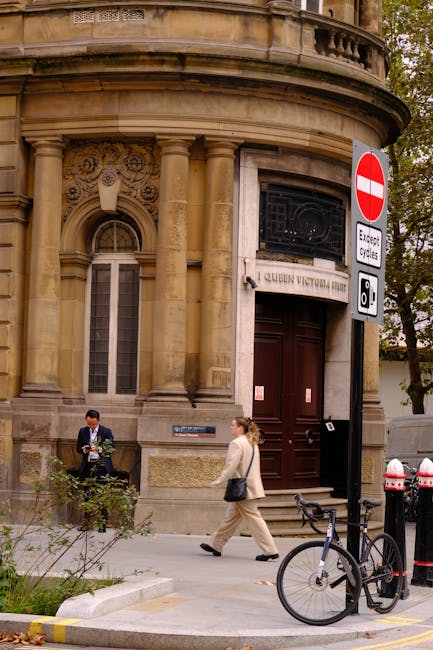
Queen Victoria Street sits in a busy part of central London, with a mix of offices, flats, retail units, service entrances, and ongoing commercial activity. That matters because rubbish clearance here is not just about lifting waste. It is about timing, access, noise, safety, and keeping a property usable while the job is being done. A good clearance plan respects the building, the street, and the people moving through it.
When waste starts building up, it affects more than appearance. It can block loading areas, create trip hazards, attract complaints, and interrupt day-to-day operations. In a busy Blackfriars setting, those small disruptions can become surprisingly expensive. A skipped day here and there is rarely just a skipped day. It becomes delay, inconvenience, and a bit of chaos around the edges.
There is also the simple human side. If you are managing a flat, an office, or a refurbishment near Queen Victoria Street, a cluttered space can make everything feel harder. It is oddly draining. People make poorer decisions in a messy environment. Clear the rubbish, and suddenly the next step becomes visible again.
For that reason, local rubbish clearance works best when it is treated as part of the wider property management process. It is not a nice-to-have. It helps the place keep functioning. If you are also dealing with furniture, office items, or mixed waste, it can help to look at related services such as office clearance, furniture clearance, or broader waste removal support.
How Blackfriars rubbish clearances for Queen Victoria Street Works
Most rubbish clearances follow a fairly straightforward pattern, but the best operators make that pattern feel effortless. You share what needs to go, the team assesses volume and access, and a collection is arranged around the practical realities of the site. That might sound obvious, but in central London the details matter more than people expect.
Typically, the process starts with an item list or a quick description of the waste type. Is it builders' rubble, old desks, mixed commercial rubbish, loft clutter, or household junk from a flat? Different materials need different handling. Some items can be removed together; some need separating. If you have appliances, it is worth checking specific handling options such as fridge and appliance removal. If the load includes confidential paperwork, that is a separate concern too, and confidential shredding may be the cleaner route.
Access is the next big issue. Queen Victoria Street can involve narrow entry points, controlled building access, limited stopping time, or lift restrictions. A clearance team usually needs to know whether waste is on the ground floor, in a basement, up several flights, or split across rooms. That little bit of information saves everyone a headache later. Honestly, it is the kind of thing people forget until the van arrives and somebody says, "Oh, there's also the side gate, but it sticks a bit." Classic.
On the day itself, the team should remove the agreed waste, separate anything that needs special treatment, and leave the space tidy. Good practice also includes responsible disposal and recycling where possible. If sustainability matters to you, it should, take a look at the company's recycling and sustainability approach before booking.
For some projects, rubbish clearance is just one part of a bigger job. A flat turnover may need a flat clearance. A renovation may require builders waste clearance. A full household move-out may be better handled as a house clearance or home clearance. The right option depends on what is actually sitting there, not on the label people first give it.
Key Benefits and Practical Advantages
The biggest benefit of professional rubbish clearance is time. You do not have to sort transport, loading, disposal, and site cleanup yourself. That matters a lot when the property is in a central location and the day is already crowded with meetings, deliveries, or residents trying to get on with life.
There is also the safety angle. Heavy bags, broken furniture, old appliances, and mixed waste are exactly the kind of things that create avoidable injuries when moved badly. A trained clearance crew knows how to handle awkward items, how to work around confined access, and how to avoid leaving sharp edges or loose debris behind.
Another real advantage is flexibility. Not every job is a full-scale clearance. Sometimes you only need a few bulky items removed. Sometimes it is a single room after a refit. Sometimes it is a recurring business waste problem that needs a cleaner routine. For office-heavy locations near Queen Victoria Street, business waste removal can be a more sensible long-term approach than repeated ad hoc bookings.
There is also the matter of peace of mind. You can feel it when waste has been handled properly. The room looks bigger. The corridor is usable again. The smell disappears. The place simply feels less stuck. Small thing, maybe, but not really. It changes how people use the space.
- Less disruption to staff, tenants, or customers
- Safer handling of bulky or awkward waste
- More predictable timings than self-removal
- Cleaner separation of recyclable and non-recyclable materials
- Better fit for busy central London access constraints
Who This Is For and When It Makes Sense
This kind of clearance is useful for a fairly broad range of people, which is why it shows up so often around Blackfriars and Queen Victoria Street. Office managers use it after refurbishments or desk changes. Landlords use it between tenancies. Facilities teams use it when a storage room has quietly become a dumping ground. Residents use it after a move, a loft sort-out, or a long overdue furniture refresh.
It also makes sense for trades and contractors. Building work creates a strange mix of dust, packaging, timber offcuts, plasterboard, broken fittings, and the occasional mystery object nobody wants to identify too closely. For that sort of job, a dedicated builders waste clearance service is usually a better fit than trying to bundle everything into a general collection.
People often wait too long to book. That is understandable. Waste is easy to ignore until it starts taking over. But the best time to arrange clearance is often before the space becomes hard to work in. If you have items stored in a loft, garage, or awkward back room, the job may be easier than you think. Services like loft clearance and garage clearance are exactly for those slightly forgotten spaces.
And yes, it is also a good option if you simply want your weekend back. There is a certain satisfaction in not spending Saturday wrestling an old sofa down the stairs. You do not need to romanticise it.
Step-by-Step Guidance
If you want a clearance to run smoothly, a little preparation goes a long way. Here is a practical way to approach it.
- Identify the waste clearly. Separate general rubbish, furniture, appliances, builders' waste, and anything hazardous or confidential. If you are dealing with a mix, say so upfront.
- Check access. Note stairs, lifts, loading restrictions, parking pressure, and whether items are inside rooms or already stacked near an exit.
- Decide what stays. This sounds obvious, but it prevents accidental removal. Use labels if needed. In a hurry, people forget. Then the room starts looking suspiciously emptier than intended.
- Ask about special items. Mattresses, sofas, appliances, and waste that may be classed as hazardous need the right handling. A mattress may be best handled through mattress and sofa disposal, while chemicals or similar materials may require hazardous waste disposal.
- Confirm timing and site constraints. Make sure the team knows the window they have, who will be on site, and how to contact the right person if access changes.
- Review the quote and scope. Check what is included: labour, loading, disposal, and any extra charges for difficult access or special materials.
- Clear the route. If possible, move smaller items out of the way and keep hallways open. It speeds everything up and reduces the chance of knocks and scrapes.
- Do a final walk-through. After the clearance, look over the space before signing off. It is easier to catch a missed item then than later.
A good rule of thumb: the more honest and specific you are at the start, the smoother the job goes. Not glamorous, but true.
Expert Tips for Better Results
There are a few habits that consistently improve clearance jobs around busy streets like Queen Victoria Street. They are not flashy. They just work.
First, group similar waste together. Furniture with furniture, cardboard with cardboard, building debris with building debris. Even if the team can handle a mixed load, sorting helps them plan the lift and disposal route more efficiently.
Second, think about the building, not just the items. A clearance in a listed-style office block, managed building, or lower-ground flat may need extra care around doors, walls, floor coverings, and shared circulation routes. Protecting those details saves money and awkward conversations later.
Third, keep special items separate. If there is a fridge, mattress, shredded paperwork, or anything that might be treated differently, keep it obvious. Better still, mention it before collection day. That avoids the "we thought it was all just junk" problem, which, to be fair, happens more often than people admit.
Fourth, choose the right service level. A small pile of household items does not need the same setup as a full office vacate. Matching the service to the job can save time and keep the cost down. If you are unsure, the company's pricing and quotes information may help set expectations before you commit.
Fifth, plan around building rhythms. In central London, mornings can be busy with deliveries, and late afternoon can be messy with departures. Sometimes the quieter window is mid-morning. Sometimes it is early. It depends on the site. A bit of local judgement helps.
Sixth, keep an eye on disposal standards. A quality provider should not just take the waste away. It should be processed responsibly. If you care about environmental performance, ask how different waste streams are handled and whether recycling is built into the service.
Expert summary: The best clearance jobs are the ones where access, item type, timing, and disposal are all understood before the van arrives. That is what turns a stressful day into a manageable one.
Common Mistakes to Avoid
A lot of clearance problems are preventable. The same mistakes come up again and again, and they are usually easy to avoid once you know what to look for.
Leaving it too late. This is the big one. If waste has already started affecting access, you are booking under pressure. That tends to narrow options and make the whole thing feel more expensive and rushed.
Underestimating volume. A few bags become a van load. A van load becomes a second visit. It happens all the time. If in doubt, overdescribe the pile rather than underdescribe it.
Mixing prohibited items with general rubbish. Some items need specific handling. Do not quietly add them to the heap and hope for the best. It is not worth it.
Forgetting about building rules. Some premises require access booking, porter notification, or timed loading. If you skip that step, the clearance may be fine on paper and awkward in practice.
Not checking insurance and safety arrangements. This is especially relevant in busier commercial settings. A provider should be clear about how it works safely and what protections are in place. It is sensible to review insurance and safety and the company's health and safety policy if you want reassurance before booking.
Assuming all items are treated the same. Furniture, electronic waste, appliances, office paper, and construction debris are not identical. They need different handling. That distinction matters more than people think.
Tools, Resources and Recommendations
You do not need a pile of specialist equipment to prepare for a clearance, but a few simple tools help.
- Labels or tape: Useful for marking items that must stay.
- Basic phone photos: A quick set of pictures often makes quoting much easier.
- Bin bags or boxes: Good for grouping loose waste before collection.
- Measuring tape: Handy if access is tight and bulky items need checking against stair width or doorway size.
- Surface protection: Cardboard or moving blankets can help protect floors in older or high-traffic buildings.
From a decision-making point of view, it helps to read the relevant service pages before you book. If your waste is mostly household-related, house clearance or home clearance may be the most useful starting point. If the focus is office clutter, then office clearance is more on the nose. For old sofas or large furniture, the dedicated furniture disposal page is worth a look.
If you want to understand the provider better, the about us page can be helpful. It gives you a sense of how the service positions itself and what sort of work it handles. And if you are ready to move quickly, you can always book online once you know what you need. Simple enough.
Law, Compliance, Standards, or Best Practice
For rubbish clearance in London, the practical focus is usually on lawful disposal, safe handling, and proper separation of waste types. You do not need to become a compliance expert to book a service, but you should expect the work to be handled responsibly. That is basic best practice, not a luxury.
For businesses, there is usually an additional duty to keep waste handling orderly and traceable. For householders, the concern is still to avoid fly-tipping risks, unsafe storage, or mixing items that should not go together. The point is simple: waste should leave the site and end up where it is supposed to end up.
Hazardous items are the area where caution matters most. Paints, solvents, batteries, chemicals, and similar materials should never be treated casually. If a job might involve anything questionable, it is better to ask first and separate the item list early. That is far safer than trying to improvise on the day.
It is also sensible to check that your provider has clear terms, payment processes, and complaints handling in place. Those details sound administrative, but they are part of a trustworthy service. If you want to understand the fine print, pages like terms and conditions, payment and security, and complaints procedure are the kind of thing that can save confusion later.
In short, good rubbish clearance should be safe, proportionate, and transparent. Nothing fancy. Just properly done.
Options, Methods, or Comparison Table
If you are deciding how to clear waste from Queen Victoria Street, it helps to compare the main options side by side. Different jobs need different approaches, and the cheapest-looking choice is not always the one that saves time in the end.
| Method | Best for | Pros | Limitations |
|---|---|---|---|
| Ad hoc rubbish clearance | Small to medium mixed waste jobs | Fast, flexible, convenient | Needs clear item details and access info |
| Office clearance | Desks, chairs, filing, mixed office contents | Good for larger commercial moves | May require more planning and site coordination |
| Builders waste clearance | Renovations, strip-outs, construction debris | Suited to heavy, messy waste streams | May need item separation and access planning |
| Full property clearance | Flats, houses, or entire premises | Covers large volumes in one organised visit | More detail needed before booking |
| Self-removal | Very small loads and flexible schedules | Can feel cheaper at first glance | Time-consuming, tiring, and awkward in central London |
For many Queen Victoria Street jobs, professional clearance is the sensible middle ground. It is usually quicker than self-removal and less disruptive than trying to stage a full skip-based operation where access is tight. If you are unsure what category your waste falls into, the page on what can go in a skip can also help you think through item types, even if you are not actually booking a skip.
Case Study or Real-World Example
Here is a realistic scenario. A small office near Queen Victoria Street is refitting its meeting room and clearing out a storage cupboard that has been quietly filling for years. There are broken chairs, boxed paperwork, old display items, a printer that no longer works, and a few bags of mixed junk from previous tenants. Nothing dramatic. Just enough to make the room feel cramped and awkward.
The team takes photos, notes that access is through a shared corridor, and flags the need to avoid peak entry times. They separate confidential paperwork for shredding, keep the appliance aside, and group the furniture together. On collection day, the removal team arrives within the agreed window, works carefully around the corridor, and clears the room in one go. The office regains a usable storage area by lunchtime. No one had to carry a filing cabinet down the stairs. Everyone wins, really.
What made the difference was not luck. It was preparation: clear communication, realistic expectations, and matching the service to the waste type. That is the pattern worth copying.
Practical Checklist
Use this checklist before your rubbish clearance is booked or collected.
- Confirm the exact location on or near Queen Victoria Street
- List the waste types clearly
- Separate confidential, hazardous, and electrical items
- Check access points, lifts, and stair routes
- Make sure the booking window fits the building schedule
- Protect floors or fragile surfaces where needed
- Label items that must stay
- Review quote details and included services
- Check safety, insurance, and disposal expectations
- Do a final walkthrough after collection
If you are dealing with a mix of items, it may help to compare the job against related service pages such as furniture clearance, garage clearance, or loft clearance. Sometimes the label reveals the right method before you even call.
Get a free quote today and see how much you can save.
Conclusion
Blackfriars rubbish clearances for Queen Victoria Street are at their best when they are simple, careful, and well matched to the site. That means understanding the waste, planning access, separating special items, and choosing a provider that treats safety and disposal properly. It sounds basic, but in a busy part of London, basic done well is exactly what keeps the day moving.
If you are trying to clear a flat, an office, a storage area, or a mixed pile of waste that has got away from you a bit, the right approach can make the whole thing far less stressful than it first appears. One good clearance can change how a space feels almost immediately. The room breathes again, and so do you.
And if you are still weighing up options, take your time and choose the route that feels practical rather than frantic. That usually turns out best. Funny how often that happens.
Frequently Asked Questions
What counts as rubbish clearance on Queen Victoria Street?
It usually means the collection and removal of unwanted waste from a property or business premises, including general rubbish, bulky items, old furniture, office waste, and certain specialist items where appropriate.
Can rubbish clearance handle mixed waste?
Often yes, but it depends on the mix. General waste, furniture, cardboard, and some commercial items can usually be managed together, while hazardous materials and confidential documents should be separated.
Is this suitable for offices near Blackfriars?
Yes. Office clearances are very common in central London, especially where storage rooms, desks, chairs, archived materials, or refit waste need to be removed with minimal disruption.
How do I prepare for a clearance visit?
List the items, note access details, label anything that must stay, and mention special waste in advance. A few photos usually help too. It sounds small, but it saves a lot of back-and-forth.
What if I have a sofa or mattress to remove?
Those items are usually best treated as dedicated bulky waste. It helps to mention them clearly because they may be handled under a specific disposal route such as mattress and sofa disposal.
Can appliances be removed as part of the same job?
Sometimes yes, though fridges and similar appliances may need separate handling. It is best to flag them before booking so the removal team can plan accordingly.
Is clearance better than using a skip?
It depends on access, timing, and waste type. In tight central London locations, a clearance service is often easier because it avoids arranging skip space and managing loading yourself.
What happens to the waste after collection?
It should be taken for lawful disposal and, where possible, recycling or material recovery. A responsible provider will be clear about how waste is handled rather than leaving that part vague.
Do I need to sort everything before collection?
Not necessarily, but grouping similar items helps. If you can separate furniture, general waste, electrical items, and confidential materials, the job usually runs more smoothly.
How do I know if my items are hazardous?
If the waste includes chemicals, paints, solvents, batteries, or anything that might pose a risk, treat it with caution and ask before collection. When in doubt, separate it rather than guessing.
Can you arrange clearance for a flat or house rather than just a business?
Yes. Residential clearances are very common too, especially for flats, houses, lofts, garages, and homes where clutter or bulky waste has built up over time.
What should I ask before I book?
Ask what is included in the price, how access is handled, whether special items are accepted, and how the waste is disposed of. That gives you a much clearer picture before the team arrives.
Where can I learn more about the company before deciding?
The most useful starting points are the about us page for background, pricing and quotes for expectations, and contact us if you want to speak through a specific job.